
Ledger.com/Start® | Getting started® — Ledger Support
Ledger.com/start helps users understand Ledger wallet setup, device preparation, Ledger Live connection, recovery protection, and essential steps for managing crypto securely.
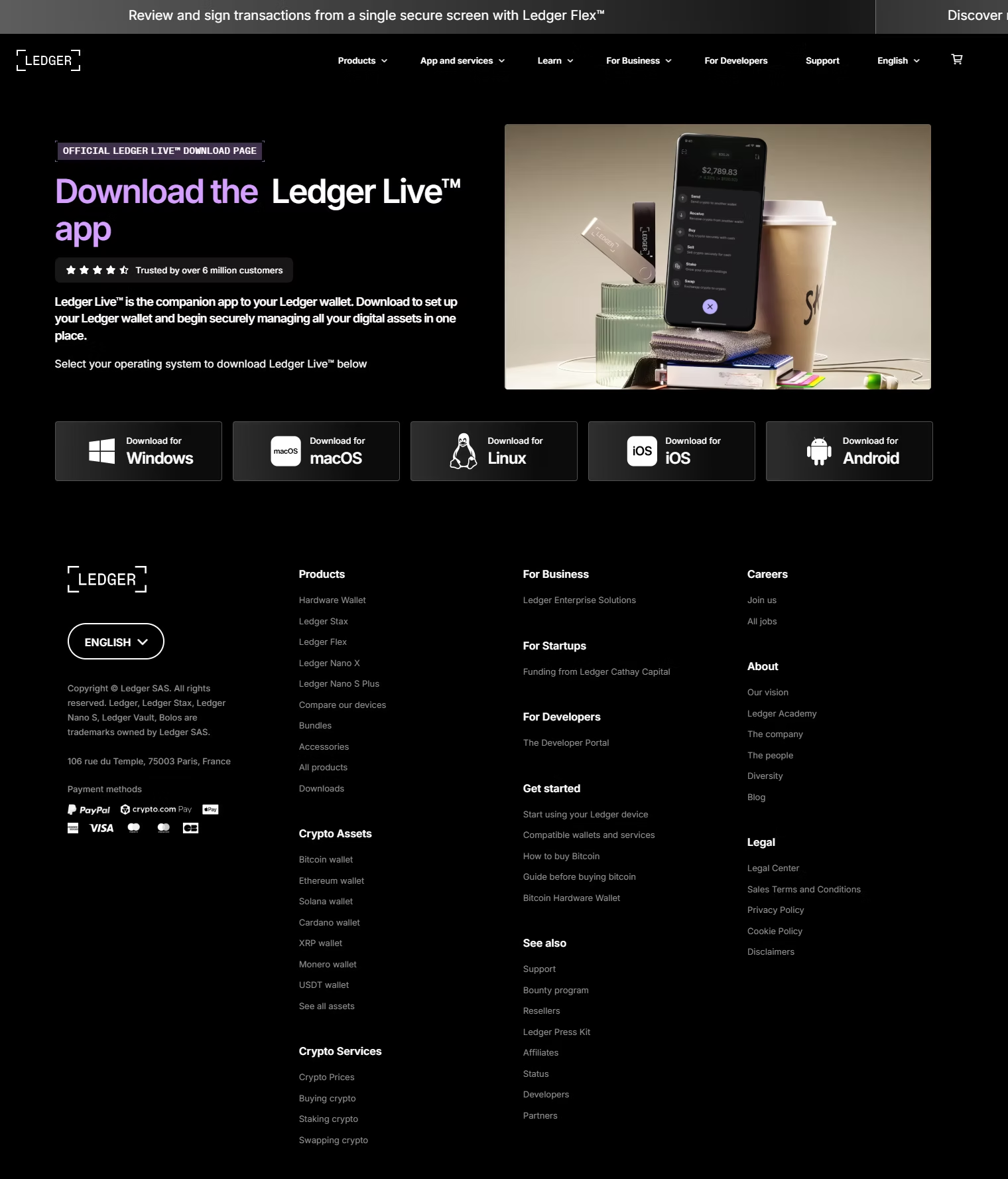
Ledger.com/start: Complete Guide to a Safe Ledger Wallet Setup
Getting started with a Ledger hardware wallet is an important step for anyone who wants greater control over their cryptocurrency. The Ledger.com/start setup process helps users understand how to prepare their device, install the required software, create or restore a wallet, and establish good security habits from the beginning.
What Is Ledger.com/start?
Ledger.com/start is a starting point for Ledger wallet setup. It helps users move through the initial stages of preparing a compatible Ledger hardware wallet and connecting it with Ledger's wallet software.
Rather than treating setup as something to complete as quickly as possible, users should carefully read each instruction and verify information before confirming an action. A thoughtful setup can help reduce mistakes later.
Get Your Ledger Device Ready
Before beginning the setup, place your Ledger device in a private location and make sure you have a trusted computer or compatible mobile device available.
Check the device carefully and avoid using instructions supplied by unknown individuals. If you received unexpected messages about activating or recovering your wallet, verify the information independently before taking action.
Install Ledger Wallet Software
The next step is to install the appropriate Ledger wallet application from an official Ledger source. The software provides an interface for interacting with supported crypto accounts and the connected hardware wallet.
Avoid unofficial downloads and applications that imitate Ledger branding. A fake wallet application can create serious security risks, particularly if it asks for sensitive wallet information.
Connect Your Ledger Hardware Wallet
Connect the hardware wallet and follow the setup instructions displayed by the wallet software. You may need to unlock the device using its PIN and complete several configuration steps.
Pay attention to the information shown directly on the physical Ledger device. The hardware wallet is an important security layer because sensitive actions can require confirmation on the device itself.
Create or Restore Your Wallet
During setup, you may have the option to create a new wallet or restore an existing wallet, depending on your circumstances.
If you are creating a new wallet, follow the device's instructions carefully and record the recovery information exactly as instructed. If you are restoring an existing wallet, handle the recovery information privately and only use legitimate recovery procedures.
Keep Your Recovery Phrase Private
Your recovery phrase is among the most sensitive pieces of information associated with your wallet. Anyone who obtains it may potentially gain access to the assets controlled by that wallet.
Store the recovery words securely and offline. Never send them through email or messaging services, and never enter them into an online form because someone claims that verification is required.
Ledger support should never need you to disclose your complete recovery phrase.
Set Up and Manage Crypto Accounts
After completing the initial configuration, the Ledger wallet software can be used to work with supported cryptocurrency accounts. You can review balances, examine account activity, and perform supported wallet operations.
When adding or managing an account, make sure the selected cryptocurrency and network are appropriate for the action you want to perform. Taking a moment to verify these details can prevent unnecessary errors.
Verify Every Transaction
Transaction verification is an important part of using a hardware wallet. Before approving a transaction, review the recipient address, amount, network, and other available details.
Do not rely exclusively on information displayed on your computer. Compare important transaction details with what appears on your Ledger device before approving the operation.
Once a blockchain transaction has been confirmed, reversing it may not be possible.
Protect Your Ledger Wallet From Phishing
Scammers may create websites, applications, advertisements, emails, or social media accounts that look similar to legitimate Ledger resources. These scams often use urgent language to pressure users into revealing sensitive information.
Be particularly cautious about requests for your recovery phrase, PIN, passwords, or other confidential wallet details. Unexpected requests should be treated as suspicious until independently verified.
Keep Your Wallet Software Updated
Maintaining your wallet software and hardware according to official guidance can help provide a smoother and more secure experience. Before installing an update, verify that it comes from a trusted Ledger source.
Do not install files supplied by strangers or follow update instructions from unsolicited messages.
Final Thoughts
Ledger.com/start can help new users understand the essential stages of Ledger wallet setup, from preparing the hardware wallet and installing trusted software to creating or restoring a wallet and managing supported crypto accounts.
Updated about 6 hours ago