
Ledger.com/Start® | Getting started — Ledger®
Ledger.com/start offers a clear starting point for Ledger wallet setup, device preparation, Ledger Live connection, account management, recovery protection, and secure crypto practices.
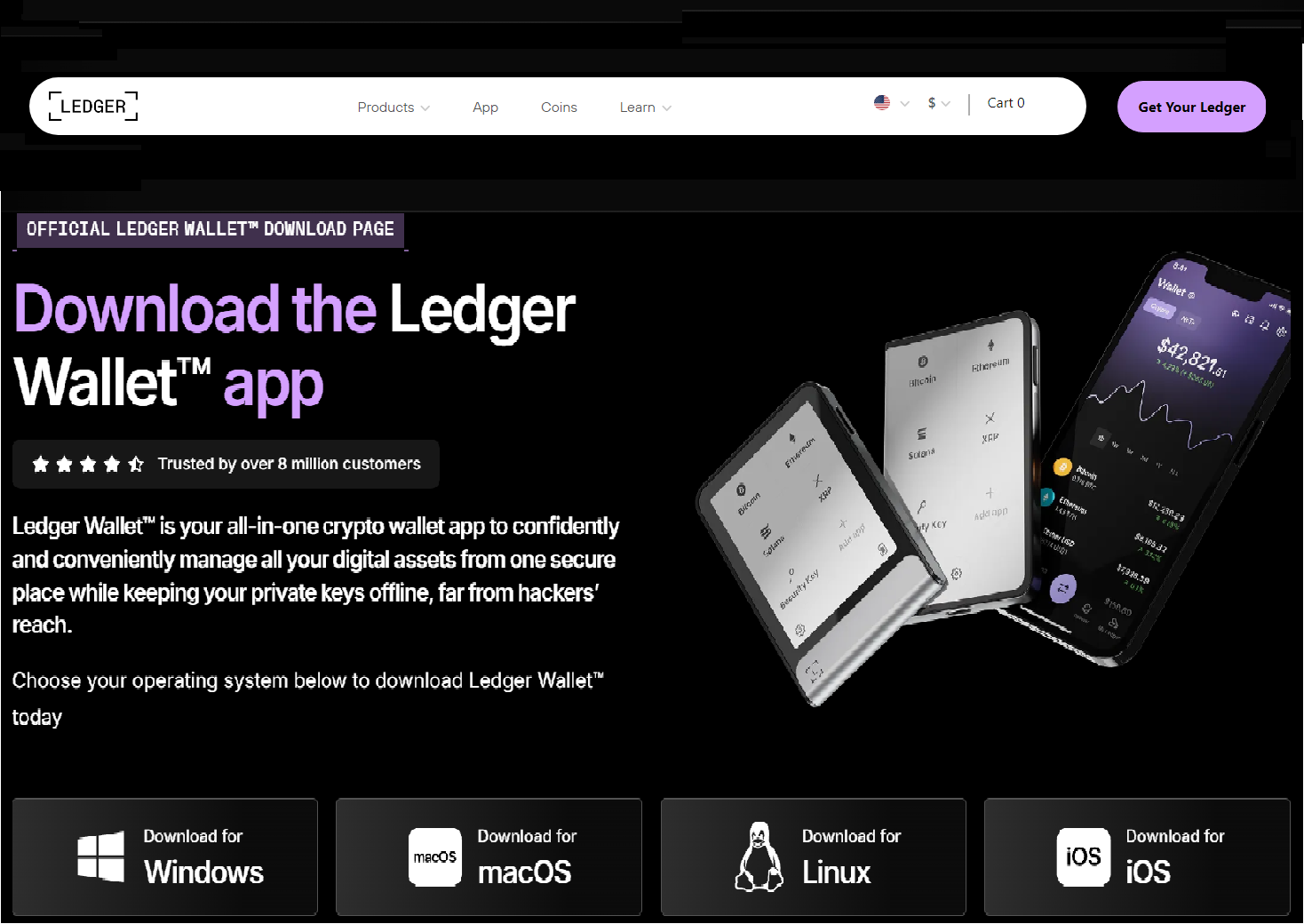
Ledger.com/start: A Practical Guide to Setting Up Your Ledger Wallet
Setting up a hardware wallet is an important process for anyone who wants to manage cryptocurrency with greater control. Ledger.com/start provides a useful starting point for understanding device preparation, wallet software, account configuration, recovery information, and secure transaction practices. Taking time to complete each stage carefully can help create a safer foundation for everyday crypto management.
Getting Started With Ledger.com/start
Ledger.com/start is associated with the initial Ledger wallet setup experience. New users can begin by preparing their Ledger hardware wallet and learning how the device works with compatible Ledger software.
The setup should be completed carefully and privately. Users should avoid relying on instructions from unknown websites, social media messages, or unsolicited support accounts.
Prepare Your Ledger Device
Before starting, place the hardware wallet in a secure location and make sure you have access to a trusted computer or compatible device.
Follow the instructions provided with the hardware wallet and inspect each setup screen before proceeding. Do not rush through security-related prompts simply to finish the installation faster.
Install Ledger Wallet Software
The wallet application provides an interface for interacting with supported cryptocurrency accounts and the connected hardware wallet. Always obtain wallet software through an authentic Ledger source.
Avoid unofficial downloads, modified applications, and links from unfamiliar websites. A fake wallet application can imitate legitimate branding while attempting to obtain sensitive information.
Connect Your Hardware Wallet
Connect the Ledger device and follow the instructions shown by the wallet software. Depending on the setup stage, you may need to unlock the device and complete configuration steps directly on the hardware wallet.
The physical device is an important part of the security process. When an action requires confirmation, carefully review the information displayed on the device before approving it.
Create or Restore a Wallet
During setup, users may create a new wallet or restore an existing wallet depending on their circumstances.
If creating a new wallet, carefully record the recovery information provided during initialization. If restoring a wallet, only follow trusted recovery instructions and make sure the recovery information remains private throughout the process.
Secure Your Recovery Phrase
Your recovery phrase should be treated as confidential information. It can be extremely important for recovering access to a wallet, so it should never be shared with another person.
Do not type your recovery words into websites, online forms, emails, chats, or messages. Be suspicious of anyone who asks for the complete phrase while claiming to provide wallet support.
Keeping recovery information offline and protected is one of the most important wallet security habits.
Manage Supported Crypto Accounts
After setup is complete, the Ledger wallet software can be used to interact with supported cryptocurrency accounts. Depending on the supported asset and features, users can review balances, account activity, and other wallet information.
Before performing any transaction, make sure the correct asset and network are selected. Small details can matter when moving cryptocurrency between wallets or services.
Verify Transactions Before Approval
A hardware wallet adds an important verification step to cryptocurrency transactions. Before confirming a transaction, review the recipient address, amount, network, and other available details.
Whenever possible, compare the transaction information shown on your computer with the information displayed on the physical Ledger device. Only approve the transaction when the details match what you intended to send.
Watch for Fake Ledger Support
Phishing attempts can appear as emails, websites, advertisements, social media accounts, or private messages. Some may use familiar Ledger branding to appear trustworthy.
Never provide your recovery phrase or PIN to someone claiming that your wallet needs verification, synchronization, activation, or recovery. If a request feels unusual or urgent, stop and verify the source independently.
Maintain Good Wallet Security
Wallet security should continue after the initial Ledger.com/start setup. Keep your wallet software maintained according to official guidance and protect physical access to your hardware wallet.
Avoid installing software from unknown sources, clicking suspicious wallet-related links, or following instructions from unverified support accounts.
Regularly reviewing your security habits can help reduce the risk of accidental disclosure or unauthorized transactions.
Final Thoughts
Ledger.com/start can serve as a practical starting point for users learning how to configure and use a Ledger hardware wallet. The process involves more than simply connecting a device—it also includes protecting recovery information, using trusted software, managing accounts carefully, and verifying transactions before approval.
Updated about 5 hours ago